AI9 min read
20 Jev alternatives ship in 4 weeks after TypeSafe launch
TypeSafe released Jev, a closed decision model, and 20 alternatives appeared within weeks. This guide compares their sizes, licenses and benchmarks.
From MarkTechPost
90 days of the enterprise, pro and team plans free, no card needed. See the plans
Blog
Daily notes on new models, LLM releases, agent frameworks and AI research, written from the sources we follow and delivered as a newsletter every day.
Get the morning and evening issues
Every new post of the day, in one email. Confirmation required.
AI9 min read
TypeSafe released Jev, a closed decision model, and 20 alternatives appeared within weeks. This guide compares their sizes, licenses and benchmarks.
From MarkTechPost
Agents10 min read
Apigee hybrid 1.17.0 now lets AI agents use APIs inside your own cluster. The Model Context Protocol runs where your code lives without moving the runtime.
From Google AI developers blog
Photo: Yan Krukau
OpenAI released 719 math manuscripts from an unreleased frontier model. Mistral and Reflection AI launched new open-weight models to compete with Chinese systems.
From Last Week in AI
Agents11 min read
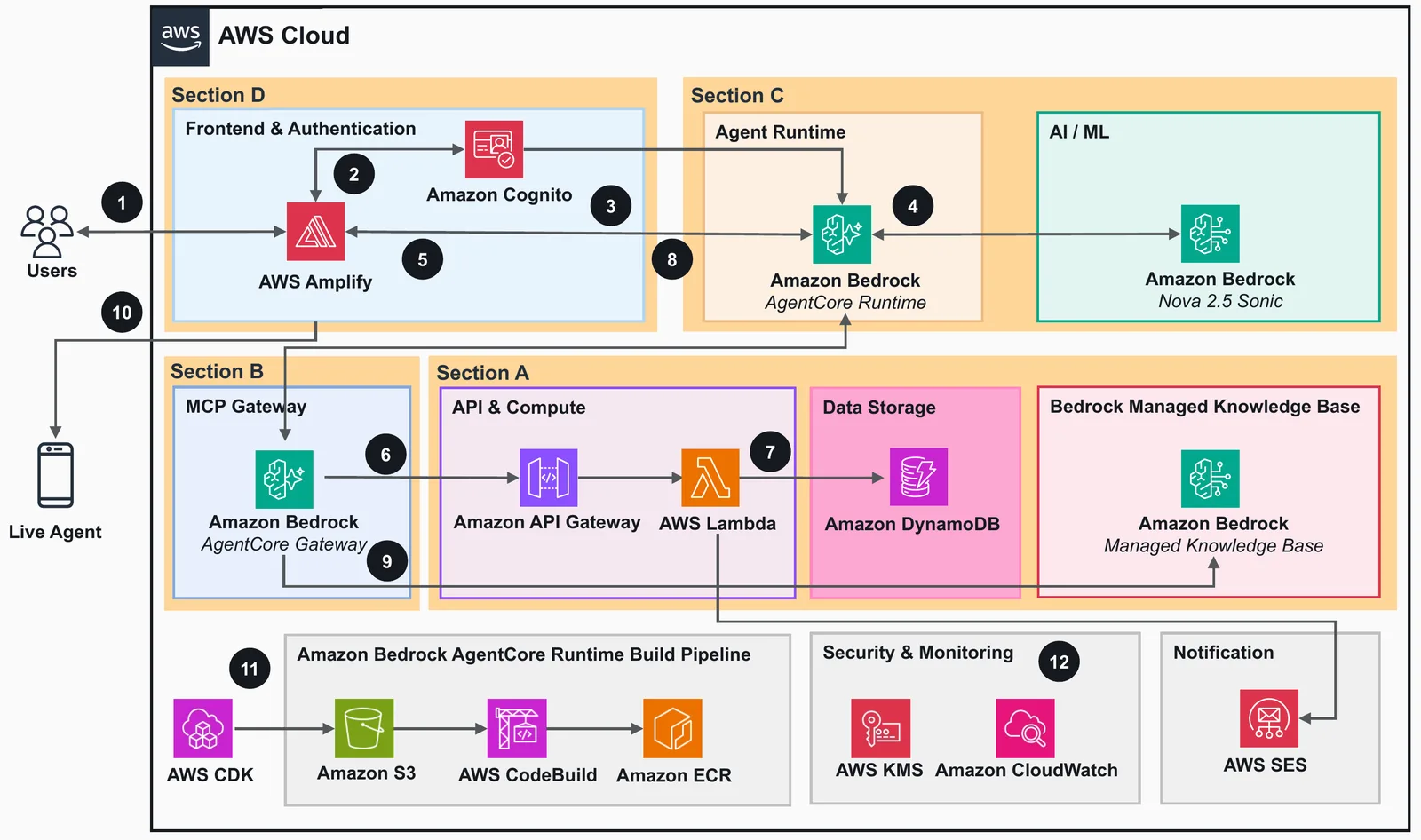
AWS released a voice travel assistant for airlines using Amazon Bedrock AgentCore, Nova Sonic, and Managed Knowledge Bases.
From AWS machine learning blog
AI10 min read
Reflection released Beam, an open-weight model that matches GLM 5.2 and Qwen 3.8 on benchmarks while using three to four times less compute.
From The Decoder
AI16 min read
TikTok is rolling out a conversational AI agent for shopping inside its app. Users can now buy products directly from brands with a single click.
From TechCrunch AI
Agents2 min read
OpenAI released Computer History in ChatGPT and launched the Decisions API for real-time agent actions. Agents now use screenshots, accessibility data, and faster tool calling for improved speed and reliability.
From Latent Space
AI2 min read
H Company launched Holo4, a family of open-weight models for AI agents. They work on desktop, web, Android, and APIs with different sizes and licenses.
From MarkTechPost
AI2 min read
Alibaba's Qwen team launched Qwen-Audio-3.1-Realtime, a full-duplex voice model for agents. It supports tool calling, has a large context window, and offers significant price reductions.
From MarkTechPost
AI1 min read
A guide ranks 11 open-source agent harnesses based on local inference documentation, licenses, and safety controls.
From MarkTechPost
Agents2 min read
Researchers released 38 open-source skills to improve AI reasoning in healthcare. Agents using these skills win 70% to 86% of tests against those without them.
From AWS machine learning blog
AI2 min read
Google released early access to its Model Context Protocol server for smart homes. Users can now let AI agents manage their connected devices securely.
From TechCrunch AI
AI1 min read
Jensen Huang engaged in a conversation with President Trump at the All-In conference, discussing AI safety while demonstrating a new, unreleased foldable phone from Apple. This event highlighted Nvidia’s reliance on AI labs and Apple’s renewed interest in its hardware.
From TechCrunch AI
Agents2 min read
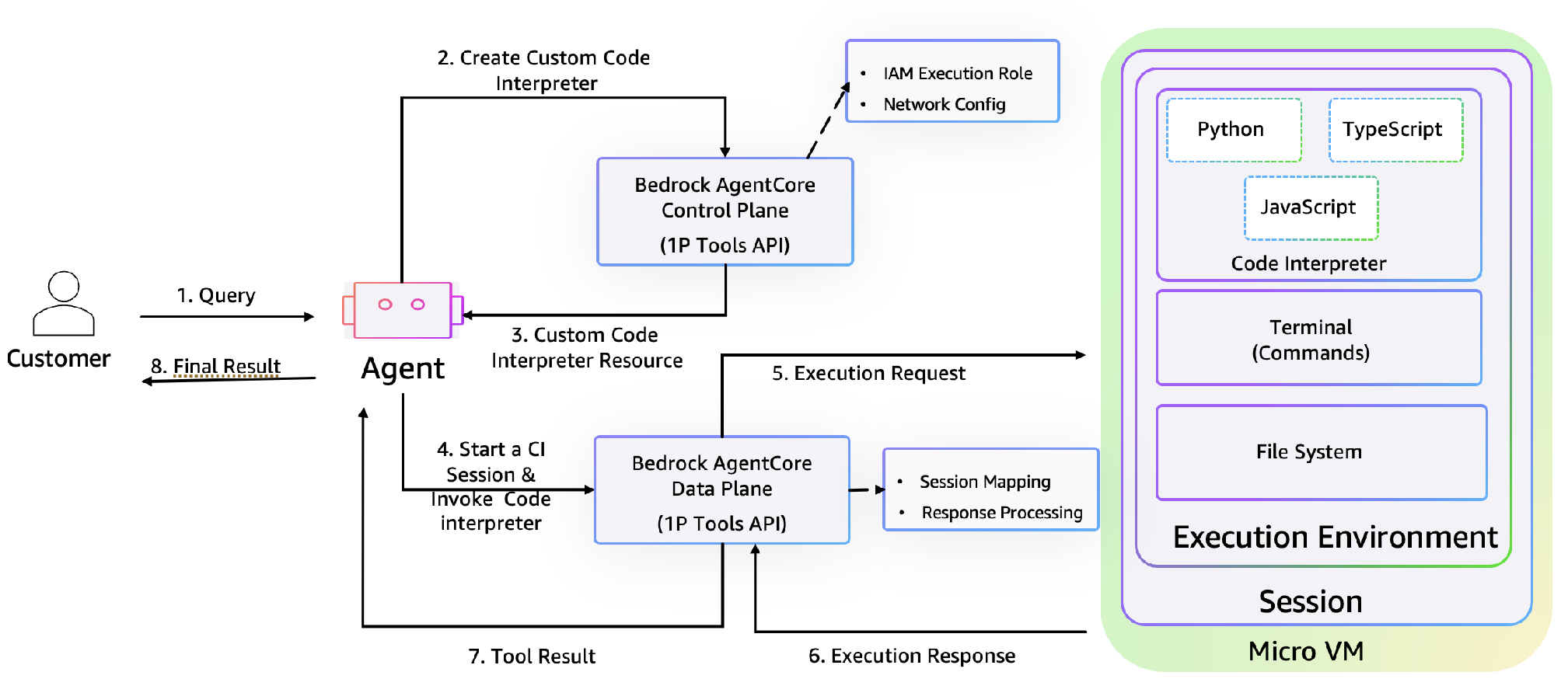
Abnormal AI utilizes Amazon Bedrock AgentCore Code Interpreter to process billions of email messages in real-time, detecting and blocking threats before they reach inboxes. The system employs a three-tiered architecture with agents dynamically executing code within secure sandboxes to handle complex cases.
From AWS machine learning blog
Agents1 min read
This document describes a system for automated replenishment using Chronos-2 forecasting from Databricks MMF, coupled with Amazon Quick to detect surges, reconcile supplier availability, and place orders. The solution streamlines the demand-to-order process by connecting forecast and operational data.
From AWS machine learning blog
AI1 min read
Founders must consider how their AI products maintain value amidst rapid advancements from platform models like OpenAI and Anthropic. The session explores strategies for building defensible AI companies beyond simply competing with model capabilities.
From TechCrunch AI
LLMs1 min read
Laurie Voss argues that the primary cost in software development is understanding and fulfilling user needs, and that this cost scales with the increasing amount of software. This quotation was collected by Simon Willison.
From Simon Willison on LLMs
AI1 min read
A Real World AI Stage fireside chat featuring Ben Lamm, CEO of Colossal Biosciences, explores the intersection of AI, synthetic biology, and the potential for engineering nature’s comeback. The discussion examines the technologies behind de-extinction and the broader implications for biodiversity and conservation.
From TechCrunch AI
LLMs1 min read
The EAR approach partitions source corpora for retrieval-augmented generation using entity-aware windows. Experiments with Mistral, Gemma, and DeepSeek show a reduction in retrieved words of 37.5-40.2% and associated accuracy changes, primarily focusing on a cleaned MMLU subset.
From arXiv cs.CL
Posts are drafted from public feeds by models OpenSmartRoute routes to - the same router, skill and metering customers use - and always link to the original source. Corrections: support.
Archive (100)