Research1 min read
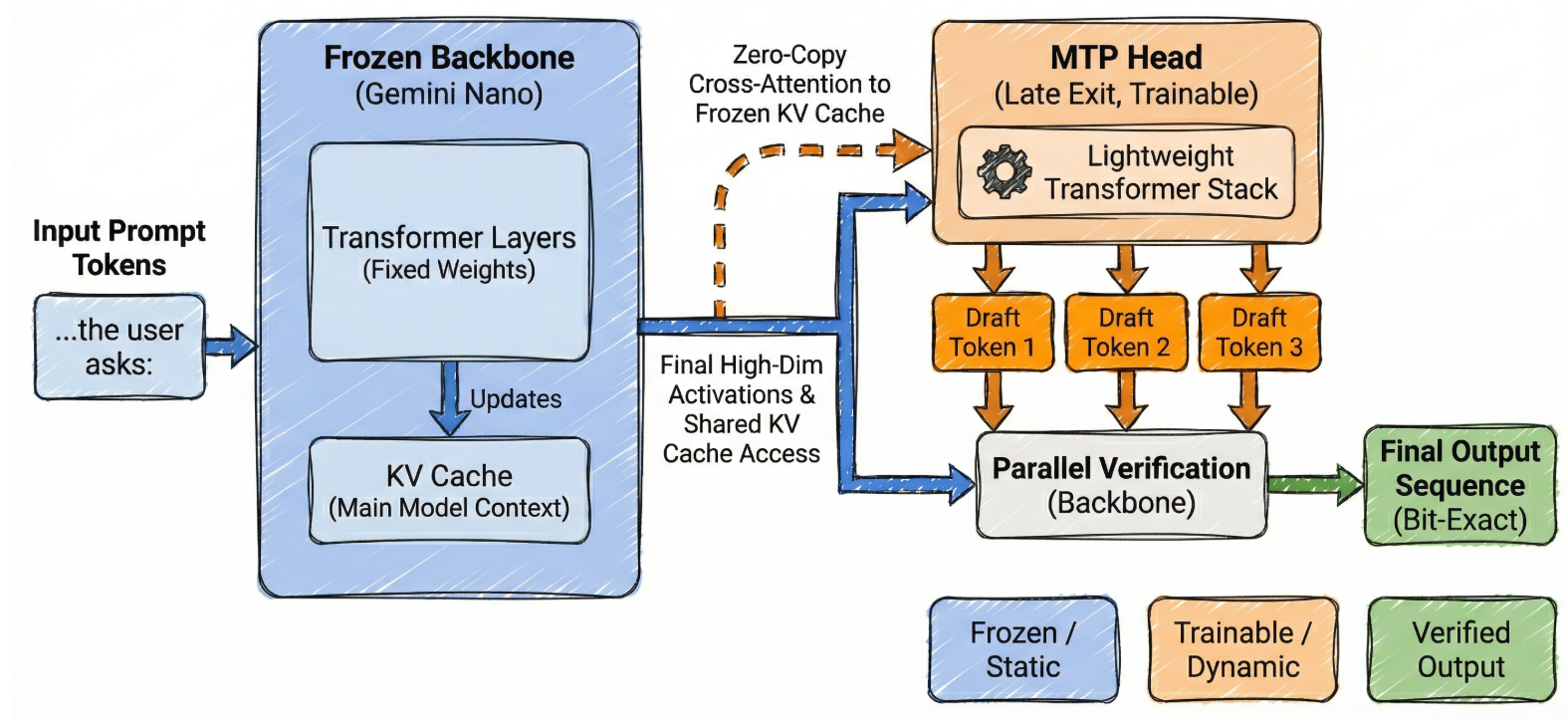
Accelerating Gemini Nano models on Pixel with frozen Multi-Token Prediction
Machine Intelligence
From Google Research blog
Blog
Daily notes on new models, LLM releases, agent frameworks and AI research, written from the sources we follow and delivered as a newsletter every day.
Get the daily issue
Every new post of the day, in one email. Confirmation required.
Research1 min read
Machine Intelligence
From Google Research blog
Research1 min read
Generative AI
From Google Research blog
How this blog is made
Each feed entry becomes one request to OpenSmartRoute: the router picks a model with a cost-weighted objective, the editorial-writer skill is layered on the prompt, and the outcome trains the learners - the same pipeline available to every workspace.
Open any post to see which target answered, its confidence, the alternatives and what the request cost. Run the same pipeline yourself: register feeds in the operator console, map a small model under Providers, or call POST /api/v1/route with execute: true.
Google DeepMind and the UK government have collaborated on an AI prototype to accelerate housing planning decisions. The system utilizes AI to analyze planning data, aiming to reduce the time taken for approvals.
From Google DeepMind blog
Research1 min read
Google DeepMind is implementing an AI Control Roadmap to secure internal systems, combining traditional safeguards with real-time monitoring of AI agents. This approach focuses on operational resilience and ongoing safety measures for deployed agents.
From Google DeepMind blog
Research1 min read
Google DeepMind has released DiffusionGemma, a new model that generates text 4x faster than previous models. This improved speed is achieved through a novel diffusion process.
From Google DeepMind blog
LLMs1 min read
Ollama 0.30 is now available with improved performance and GGUF model compatibility through llama.cpp. This augments Ollama's MLX engine on Apple silicon, bringing support to more models on a wider range of hardware.
From Ollama blog
AI1 min read
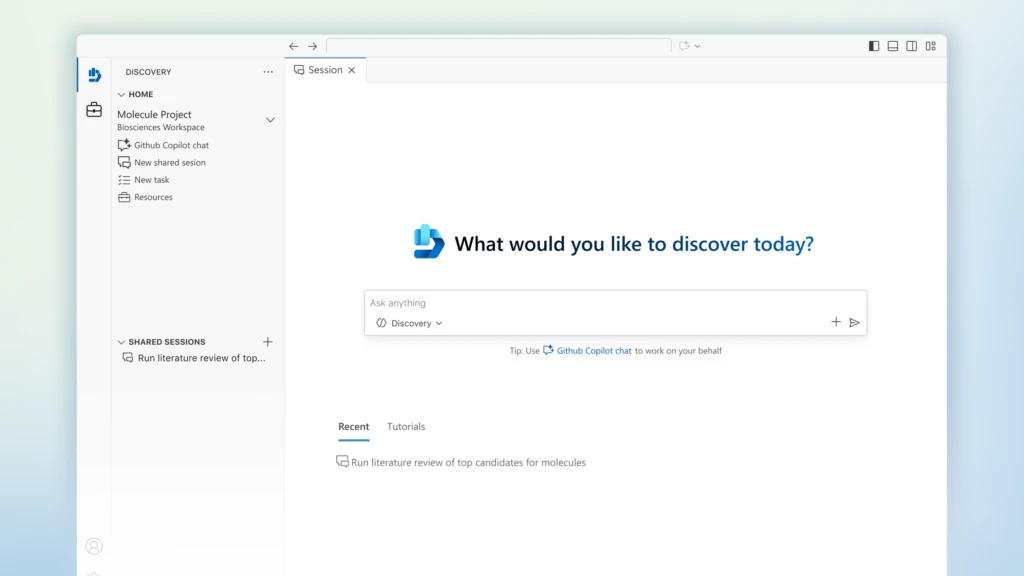
At Microsoft Build, we are announcing that Microsoft Discovery is now generally available for all organizations, providing a comprehensive platform for building and governing agentic AI workflows. The post Announcing Microsoft Discovery ...
From Microsoft Azure AI blog
LLMs1 min read
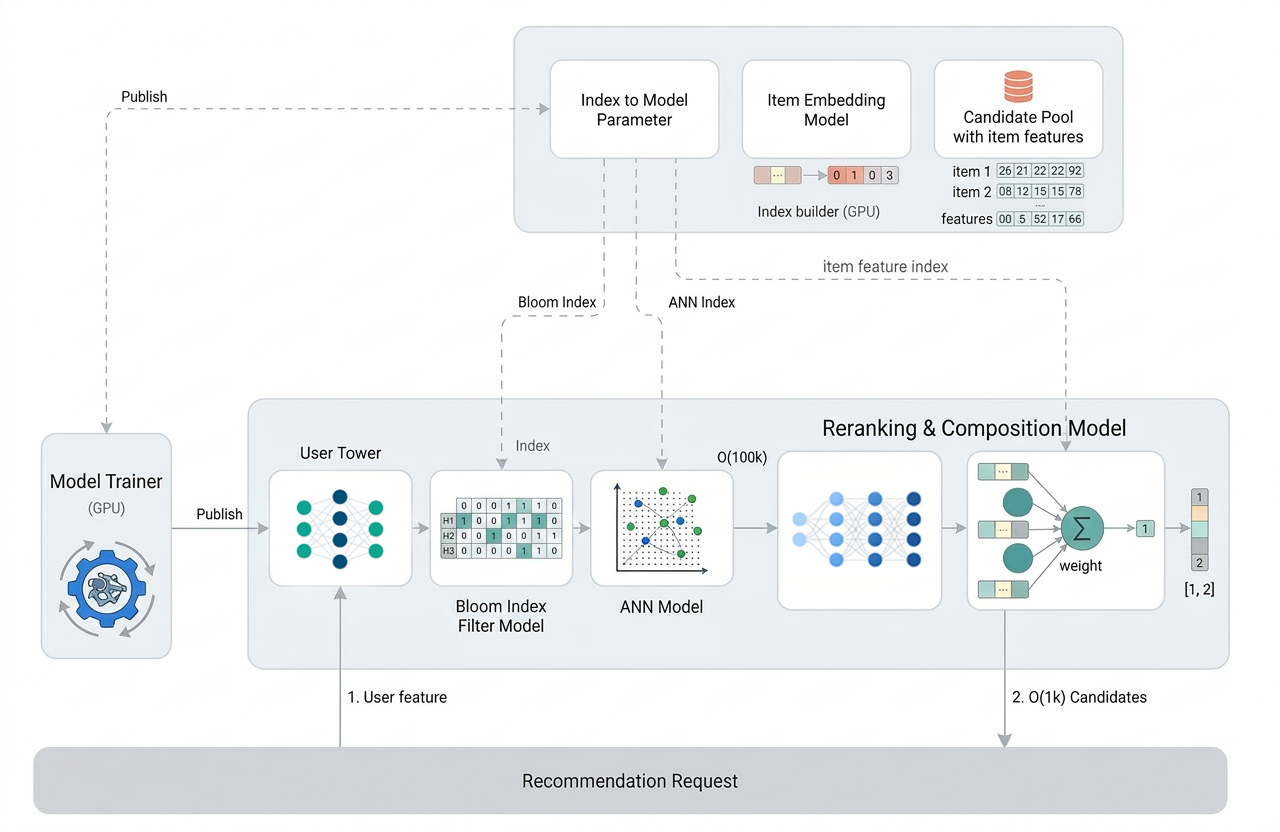
We’re introducing SilverTorch, a reimagining of recommendation systems that unifies all retrieval components for user generated content under a unified architecture. SilverTorch shows up to 23.7x higher throughput compared to the state-o...
From Meta AI engineering
AI1 min read
Microsoft and Red Hat show how Azure Red Hat OpenShift powers modernization and production AI with secure, scalable enterprise governance. The post Red Hat Summit 2026: Platform modernization and AI on Microsoft Azure Red Hat OpenShift a...
From Microsoft Azure AI blog
AI1 min read
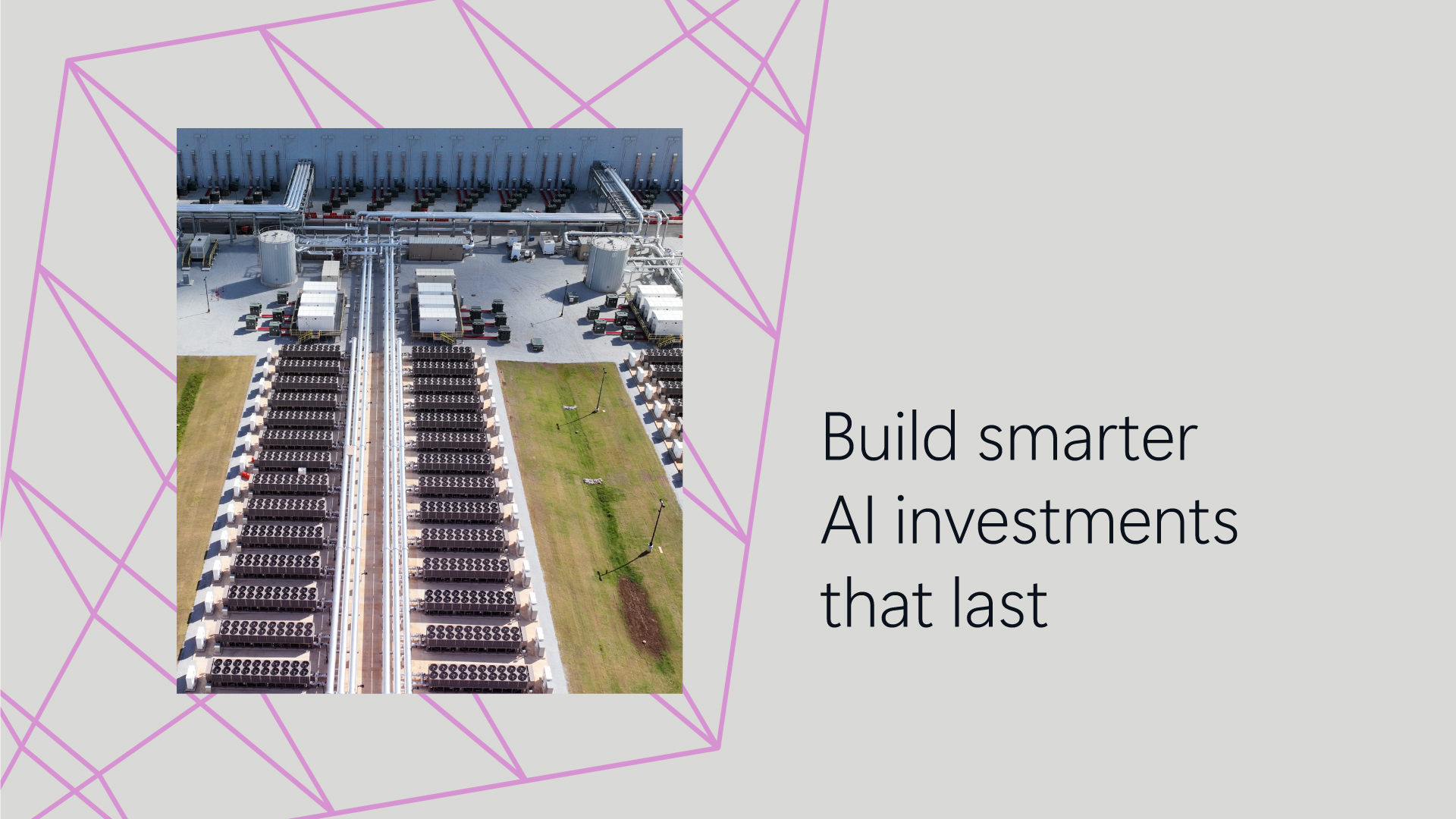
Discover how cloud cost optimization adapts in the age of AI, with best practices for managing spend, improving efficiency, and maximizing value. The post Cloud Cost Optimization: Principles that still matter appeared first on Microsoft ...
From Microsoft Azure AI blog
LLMs1 min read
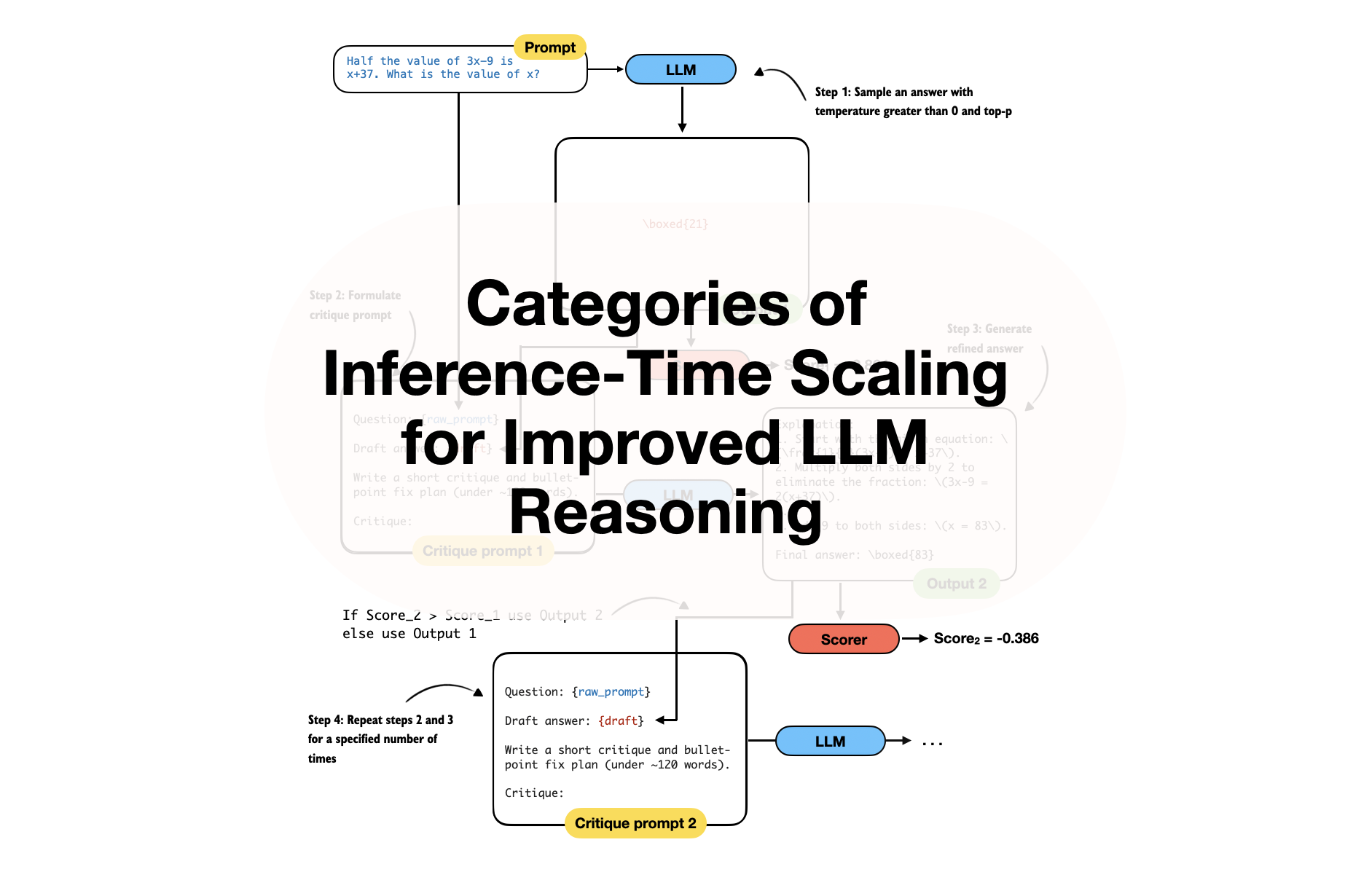
And an Overview of Recent Inference-Scaling Papers
From Ahead of AI (Sebastian Raschka)
LLMs1 min read
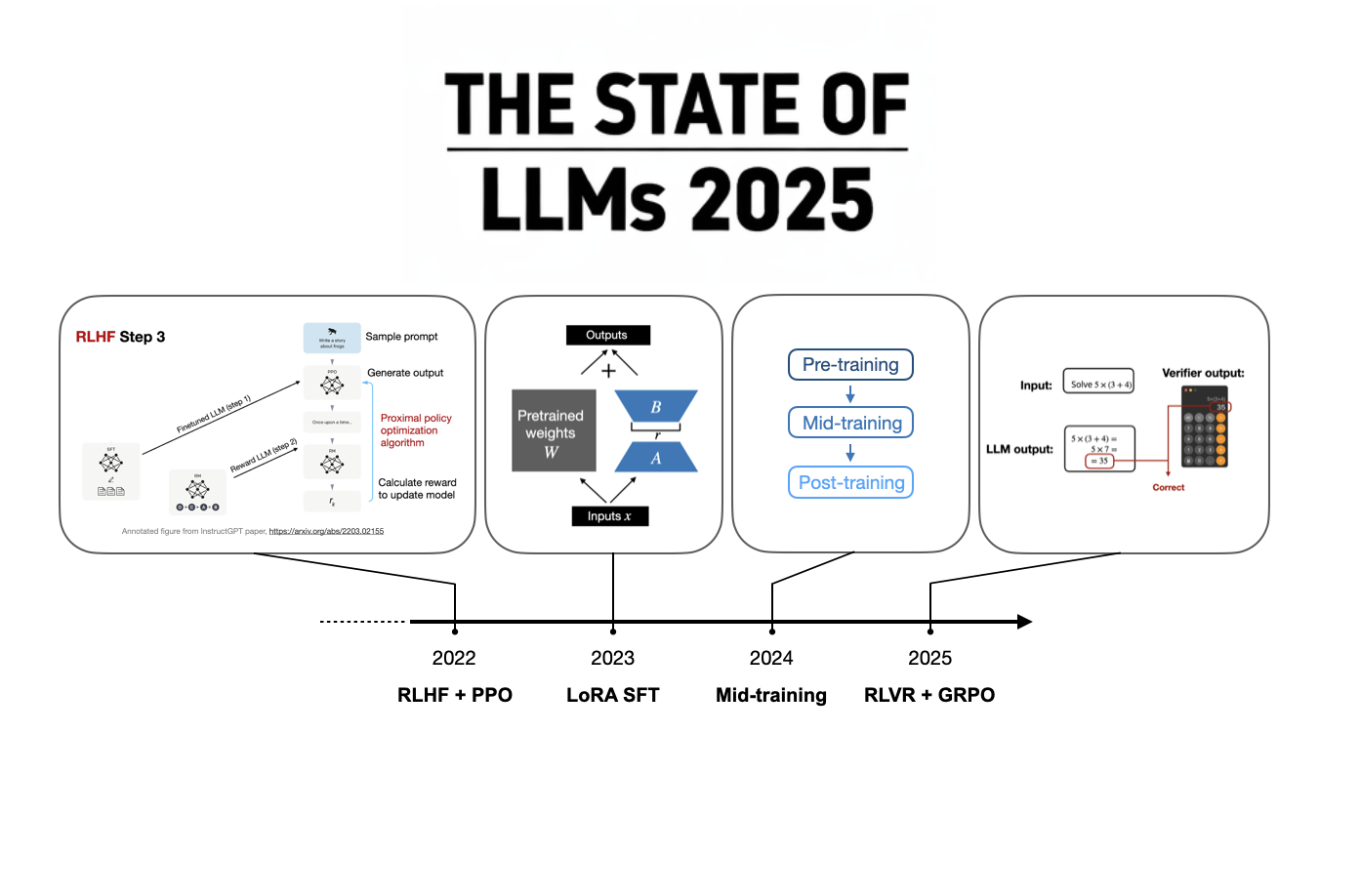
A 2025 review of large language models, from DeepSeek R1 and RLVR to inference-time scaling, benchmarks, architectures, and predictions for 2026.
From Ahead of AI (Sebastian Raschka)
LLMs1 min read
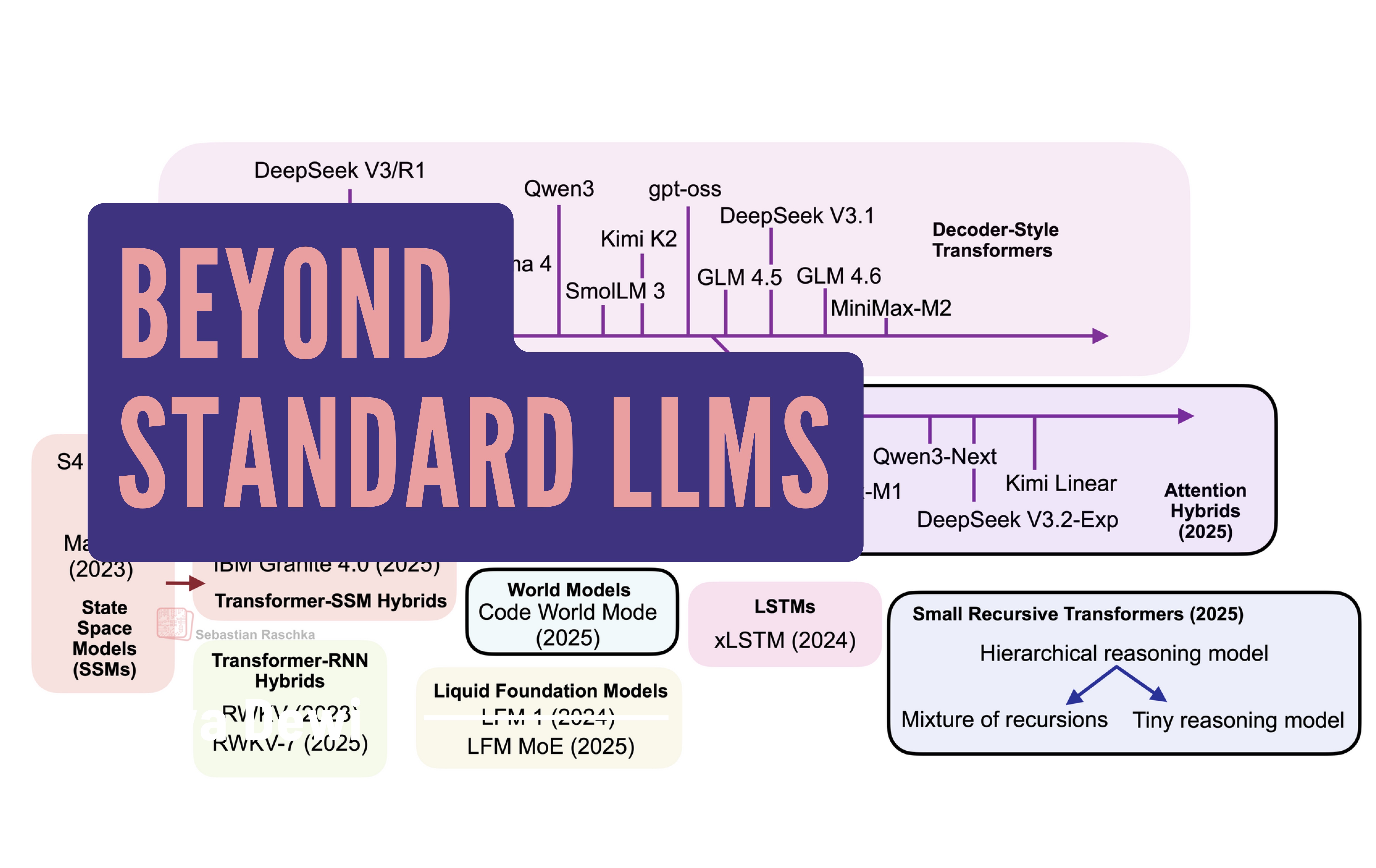
Sebastian Raschka outlines alternatives to standard autoregressive transformers, including linear attention hybrids and text diffusion models. These approaches aim to improve efficiency or modeling performance beyond the classic multi-head attention mechanism.
From Ahead of AI (Sebastian Raschka)
LLMs1 min read
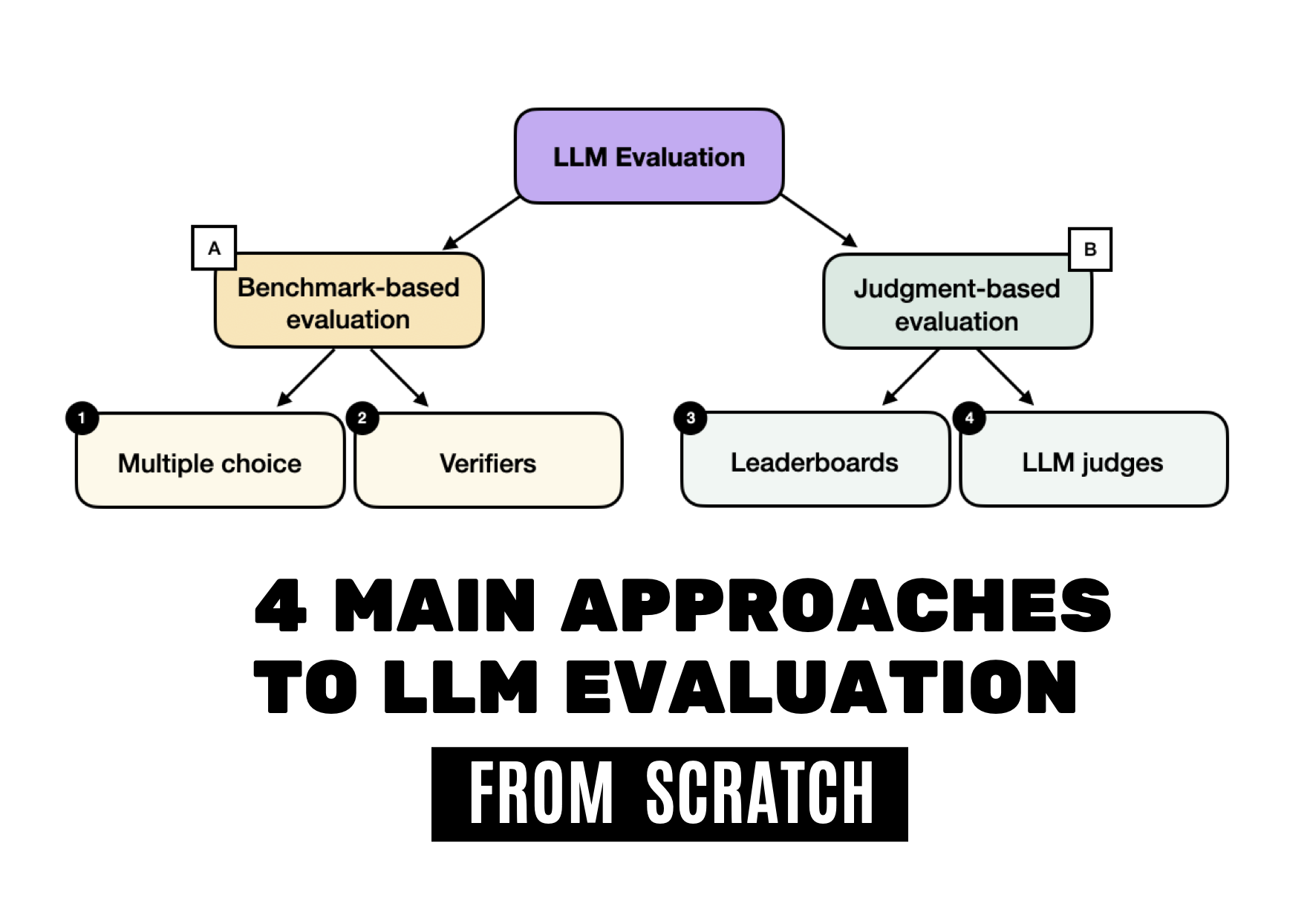
Sebastian Raschka outlines four main LLM evaluation methods: multiple-choice benchmarks, verifiers, leaderboards, and LLM judges. The article provides from-scratch code implementations using PyTorch and the Qwen3 model.
From Ahead of AI (Sebastian Raschka)
LLMs1 min read
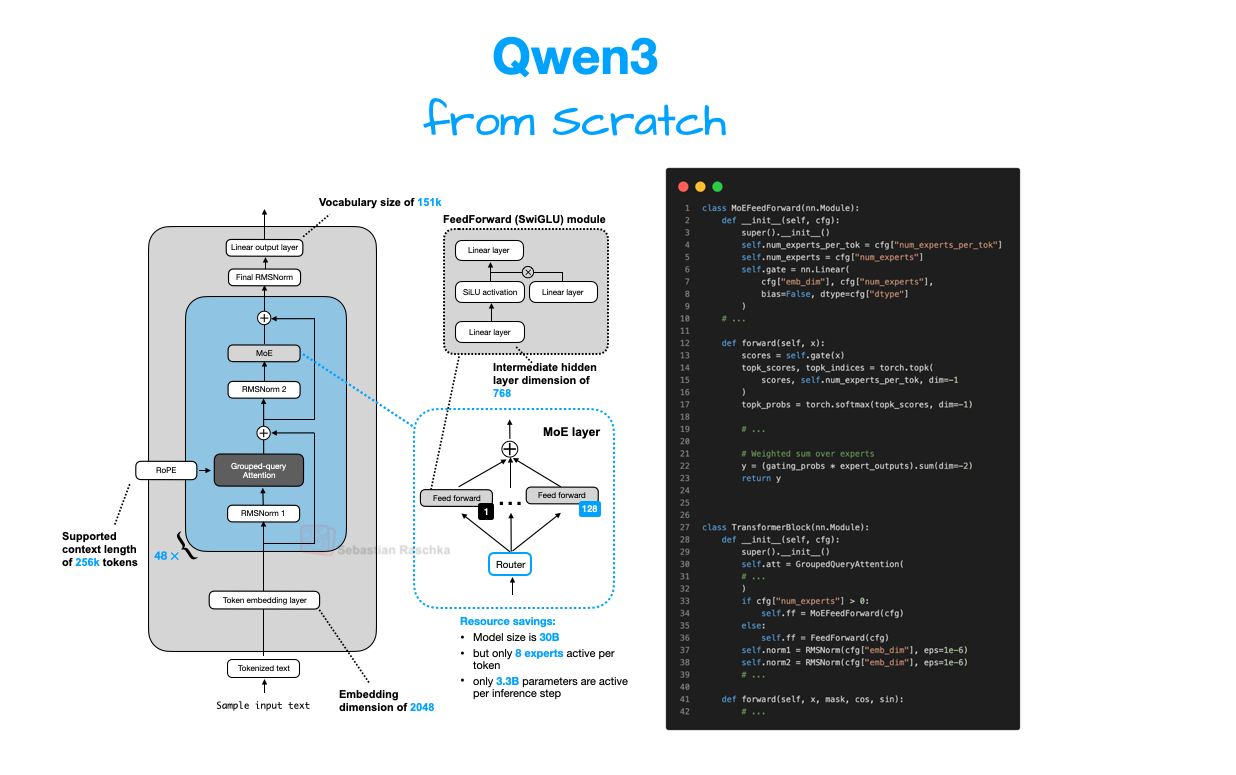
Sebastian Raschka details the architecture of Qwen3, a popular open-source LLM family released in May and updated in July. The article provides pure PyTorch code for building blocks found in models ranging from 0.6B to 480B parameters.
From Ahead of AI (Sebastian Raschka)
Posts are drafted from public feeds by models OpenSmartRoute routes to - the same router, skill and metering customers use - and always link to the original source. Corrections: support.