AI1 min read
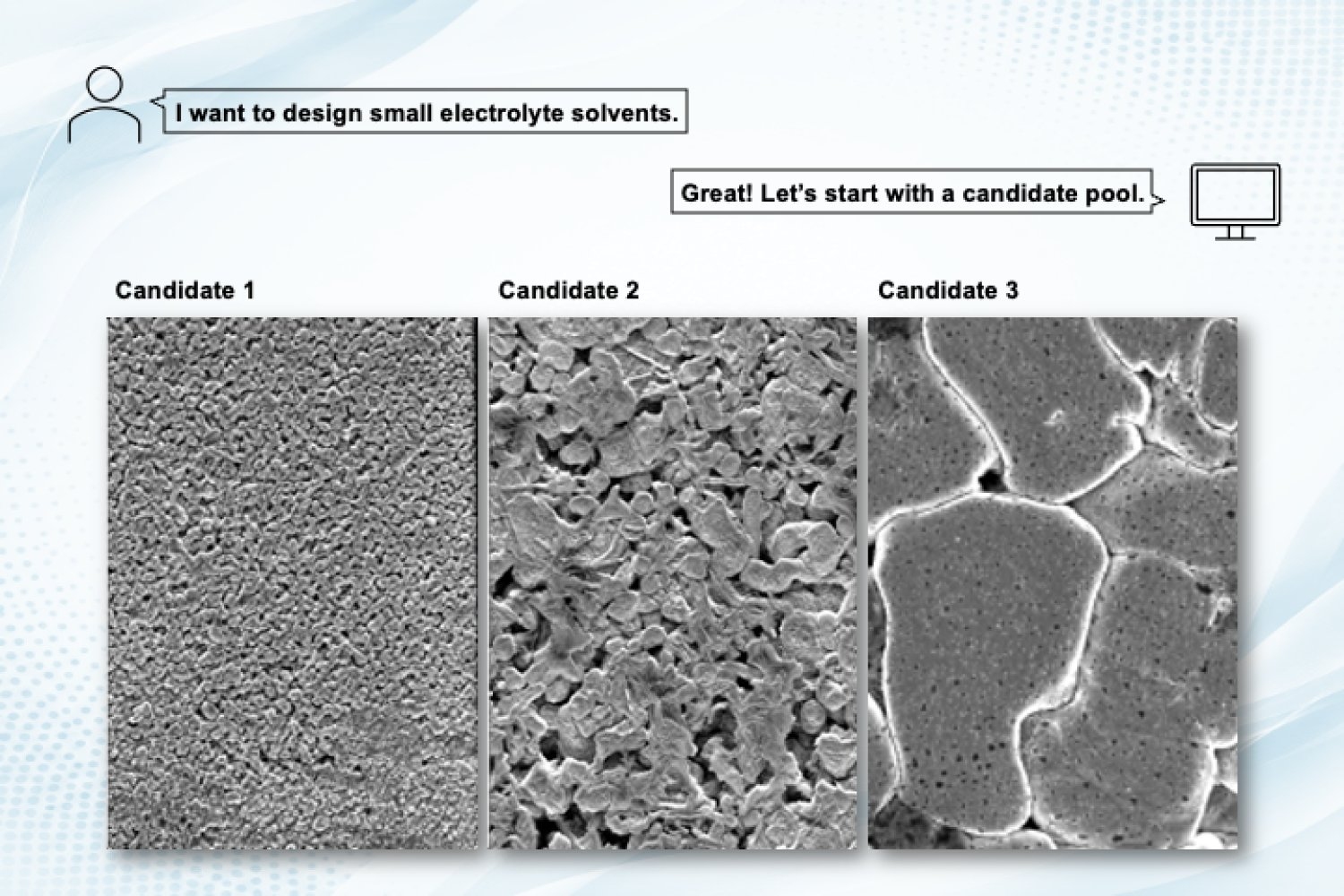
MIT's CrysVCD tool accelerates design of chemically stable materials
The CrysVCD tool reduces time and costs in screening chemically unstable material designs, aiding real-world applications.
From MIT News: artificial intelligence
Blog
Daily notes on new models, LLM releases, agent frameworks and AI research, written from the sources we follow and delivered as a newsletter every day.
Get the daily issue
Every new post of the day, in one email. Confirmation required.
AI1 min read
The CrysVCD tool reduces time and costs in screening chemically unstable material designs, aiding real-world applications.
From MIT News: artificial intelligence
LLMs1 min read
The NVIDIA Vera CPU features Olympus cores optimized for maximum single-threaded performance. This allows agents to execute more critical paths on the CPU, improving response times and overall efficiency in agentic AI applications.
From NVIDIA technical blog
How this blog is made
Each feed entry becomes one request to OpenSmartRoute: the router picks a model with a cost-weighted objective, the editorial-writer skill is layered on the prompt, and the outcome trains the learners - the same pipeline available to every workspace.
Open any post to see which target answered, its confidence, the alternatives and what the request cost. Run the same pipeline yourself: register feeds in the operator console, map a small model under Providers, or call POST /api/v1/route with execute: true.

LLMs1 min read
Hugging Face released a workflow guide for Gradio, enabling engineers to quickly build and deploy AI applications. The guide focuses on streamlining the process of creating interactive demos and integrating models into production environments.
From Hugging Face blog
LLMs1 min read
NVIDIA's Vera Rubin and Blackwell architectures demonstrate significantly improved performance per watt for agentic AI workflows, including multi-step reasoning and tool invocation. This advancement enables more complex and efficient AI agent deployments in diverse applications.
From NVIDIA technical blog
Research1 min read
Gemini 3.7 Flash is a new language model introduced by Google DeepMind, designed for improved performance and efficiency in AI applications.
From Google DeepMind blog
LLMs1 min read
IBM Research has developed ALTK Evolve, a system that achieves comparable performance to models like ACE while utilizing significantly fewer tokens. This reduces operational costs and improves inference speed for agent-based applications.
From Hugging Face blog
LLMs1 min read
Hugging Face and NVIDIA Magpie TTS offer open-weights for building low-latency multilingual voice agents. Engineers gain full deployment control and optimized inference performance for real-time voice applications.
From Hugging Face blog
AI1 min read
MIT researchers focus on electrolytes to enhance sodium-metal batteries, making them more practical for energy storage applications.
From MIT News: artificial intelligence
Research1 min read
Gemini Robotics ER 2 advances robotic reasoning, collaboration, and task solving through improvements in video understanding and tool orchestration.
From Google DeepMind blog
Research1 min read
Microsoft Research released Aurora 1.5, expanding the foundation model with 22 new variables, hourly resolution, and ensemble forecasting. This update improves its suitability for real-world weather, climate, and energy applications.
From Microsoft Research
Research1 min read
Google DeepMind has introduced the ability for Gemini 3.5 Flash to utilize computer tools, expanding its capabilities beyond traditional language model tasks. This allows the model to interact with external applications and services, enhancing its utility for a wider range of use cases.
From Google DeepMind blog
Posts are drafted from public feeds by models OpenSmartRoute routes to - the same router, skill and metering customers use - and always link to the original source. Corrections: support.