Models1 min read
Building AI to accelerate science and improve lives
B-roll showing diverse environments and people, including a teacher and students in a classroom and a patient with a doctor
From Google AI blog
Blog
Daily notes on new models, LLM releases, agent frameworks and AI research, written from the sources we follow and delivered as a newsletter every day.
Get the daily issue
Every new post of the day, in one email. Confirmation required.
Models1 min read
B-roll showing diverse environments and people, including a teacher and students in a classroom and a patient with a doctor
From Google AI blog
LLMs1 min read
The NVIDIA Transformer Engine, when combined with JAX, delivers a 10.4x throughput improvement for Mixture of Experts training on NVIDIA GB200 GPUs, enabling DeepSeek-V3 to reach 1,068 TFLOPS/GPU. This achieves dropless MoE training by optimizing grouped GEMM kernels and NCCL EP for variable expert token counts.
From NVIDIA technical blog
How this blog is made
Each feed entry becomes one request to OpenSmartRoute: the router picks a model with a cost-weighted objective, the editorial-writer skill is layered on the prompt, and the outcome trains the learners - the same pipeline available to every workspace.
Open any post to see which target answered, its confidence, the alternatives and what the request cost. Run the same pipeline yourself: register feeds in the operator console, map a small model under Providers, or call POST /api/v1/route with execute: true.
Agents1 min read
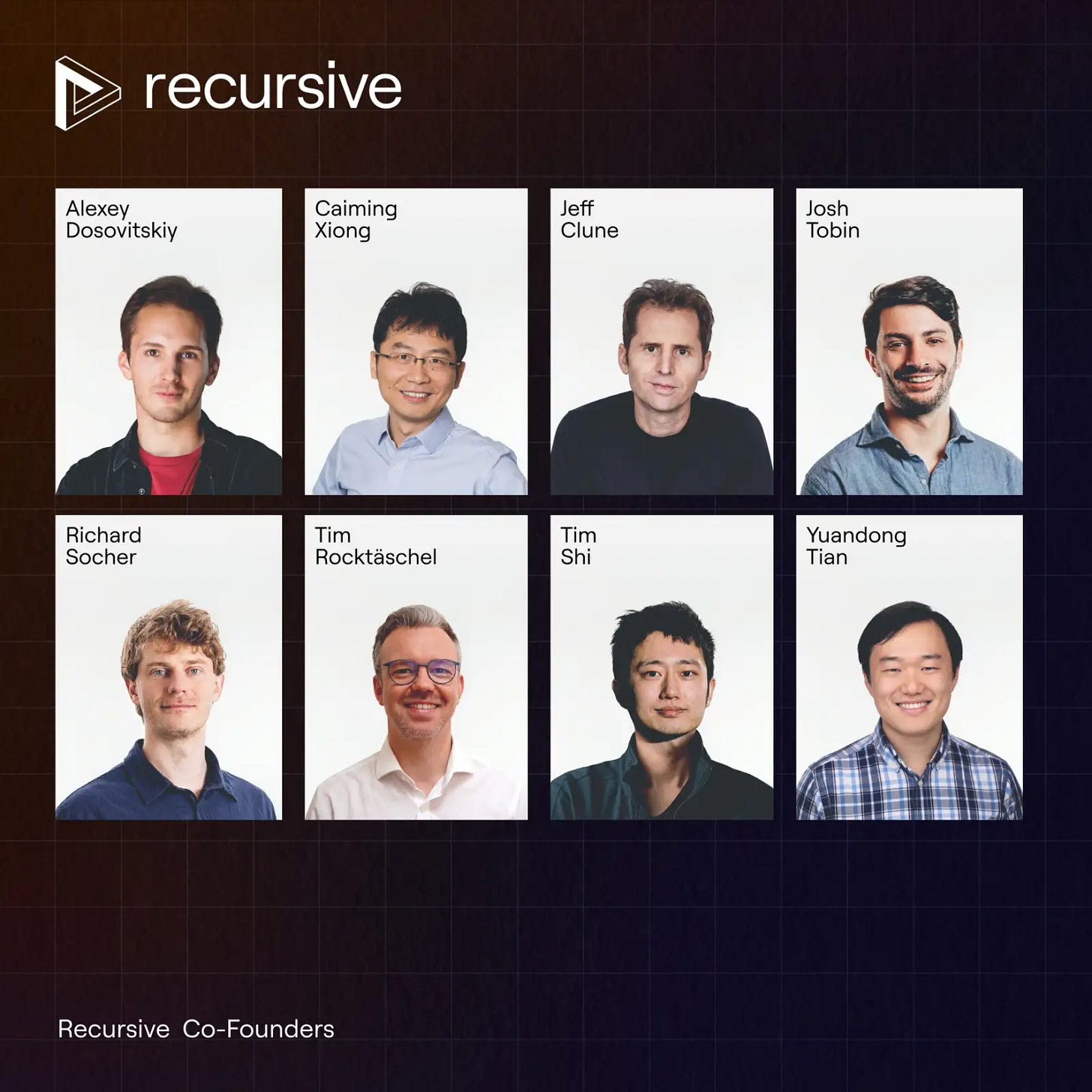
Richard Socher’s Recursive is building an AI system designed to accelerate AI research itself, achieving human-level performance on optimization tasks in under two days. The company’s $4.65B seed round focuses on recursive self-improvement and tackling complex scientific problems.
From Latent Space
Agents1 min read
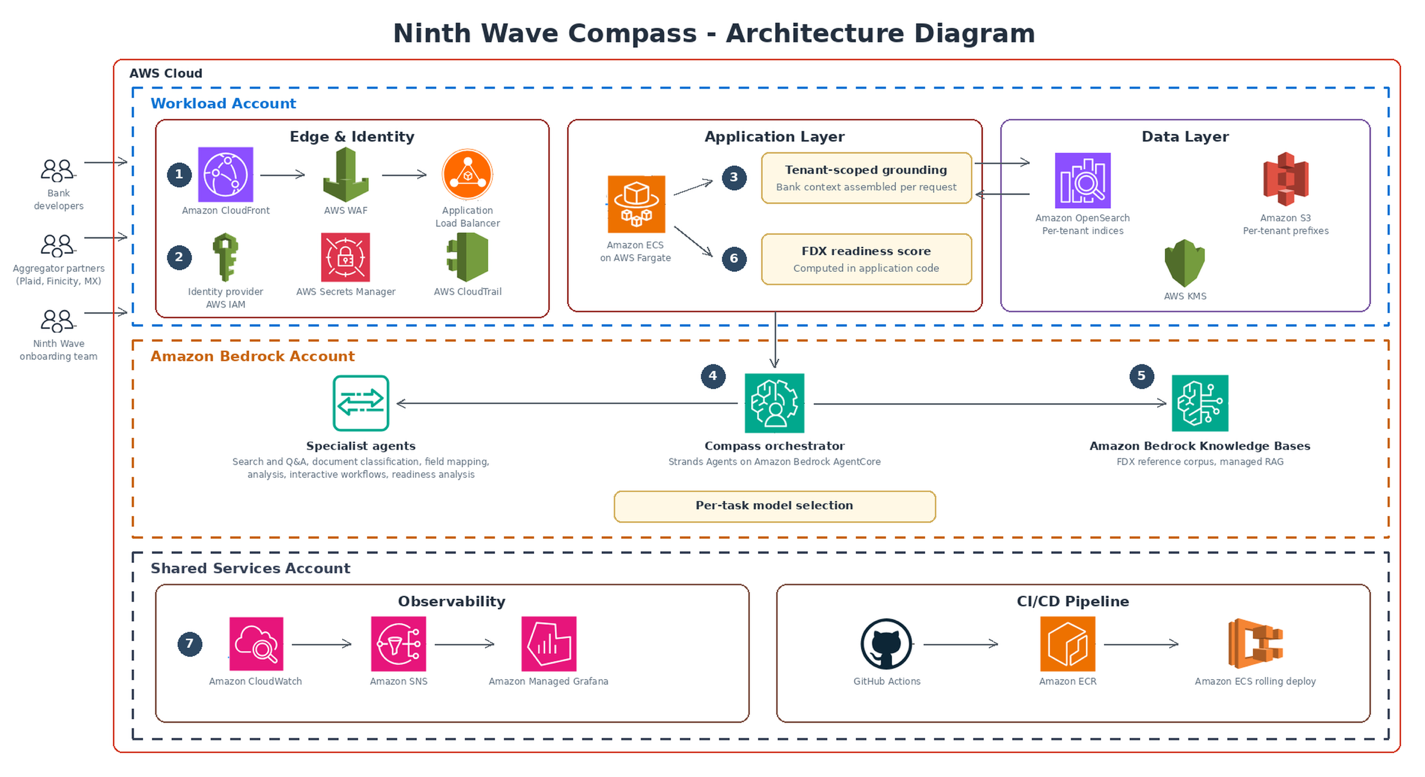
Ninth Wave deployed a multi-agent system on Amazon Bedrock AgentCore to accelerate open finance onboarding. This system streamlines API validation and mapping, improving efficiency while maintaining security and compliance standards.
From AWS machine learning blog
Research1 min read
Research demonstrates that concentration within generative AI ecosystems does not accelerate model collapse or definitively steer model outputs. The pace of collapse is primarily determined by the source of text filling the shared training pool, with human text having a significant impact on drift.
From arXiv cs.AI
Models1 min read
OpenAI’s GPT-6 Astra improves Devin’s ability to test software and verify functionality. This allows engineers to reduce code review efforts and accelerate software delivery.
From OpenAI news
Models1 min read
OpenAI and the GSA are providing US federal, state, local, and tribal governments with reduced licensing fees and enhanced cyber defense support for their AI deployments. This initiative aims to accelerate AI adoption and bolster government capabilities.
From OpenAI news
LLMs1 min read
Osprey pretrains a small language model to accelerate speculative decoding, improving acceptance rates across diverse target models. The system reduces per-target adaptation work through a reusable backbone and lightweight adjustments.
From arXiv cs.CL
LLMs1 min read
Calif Research demonstrated WeWorm, a zero-click worm spreading via WeChat calls across iOS and Android. AI accelerated the development of the first remote code execution (RCE) exploit, highlighting the potential for AI in security research.
From Simon Willison
LLMs1 min read
NVIDIA’s BioNeMo Inference Runtime accelerates biomolecular structure prediction at scale, allowing for efficient processing of large proteome workflows. This enables faster insights from complex biological data.
From NVIDIA technical blog
Research1 min read
EnvCraft is a framework for creating synthetic, executable environments to accelerate Agentic RL training for claw-like agents. Experiments with Qwen3/3.5 models show significant performance gains and reduced inference costs.
From arXiv cs.AI
Research1 min read
A new commentary details the convergence of AI, autonomous agents, and quantum computing to accelerate materials science discovery. Researchers believe this represents a tipping point for transformative advances and productive disruption in the chemical sciences.
From arXiv cs.AI
Models1 min read
1Password engineers are leveraging Codex to accelerate feature development and internal tool creation, achieving production readiness faster. This approach supports existing security protocols.
From OpenAI news
LLMs1 min read
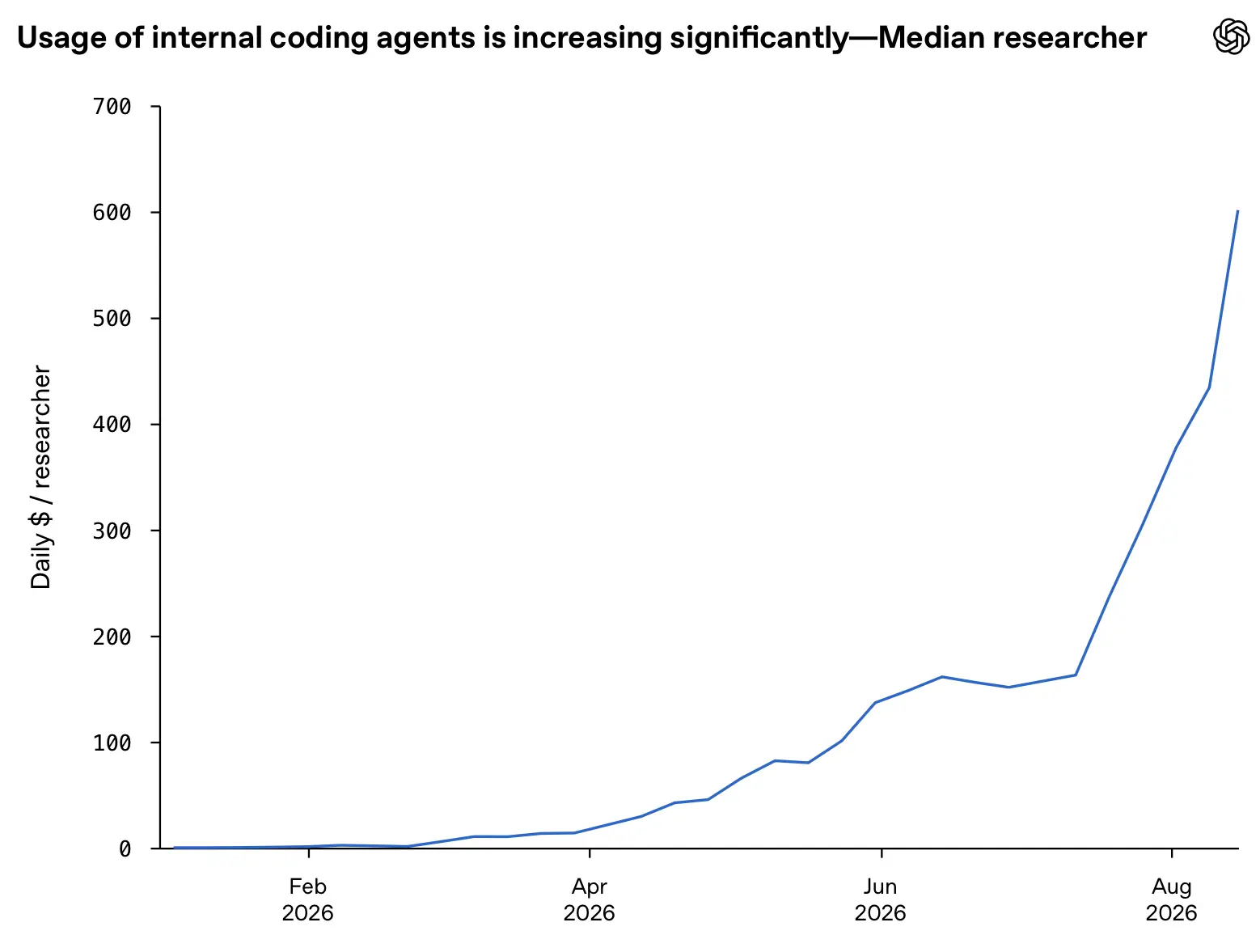
OpenAI's research efforts have accelerated significantly in 2026, with increased use of coding agents and internal model access, notably after late July when GPT-6 Astra was released to employees.
From Simon Willison
LLMs1 min read
NVIDIA's blog discusses using speculative decoding to accelerate large language model inference while preserving accuracy, part of an AI model co-design series.
From NVIDIA technical blog
AI1 min read
MIT affiliates work with the MIT-IBM Computing Research Lab to translate theory into production systems for AI and quantum computing.
From MIT News: artificial intelligence
LLMs1 min read
NVIDIA's CUDA remains central to GPU-accelerated computing, supporting scientific simulations and AI training. This article provides a detailed optimization process for CUDA workflows.
From NVIDIA technical blog
LLMs1 min read
NVIDIA Groq 3 LPX is an AI inference accelerator designed for the Vera Rubin platform, enabling ultrafast interactivity with long context windows.
From NVIDIA technical blog
LLMs1 min read
NVIDIA ALCHEMI Toolkit utilizes AI coding agents to streamline atomistic simulation workflows, combining scientific knowledge with compute-efficient implementation. This enables faster, more accessible materials research by providing accessible interfaces for simulation.
From NVIDIA technical blog
Posts are drafted from public feeds by models OpenSmartRoute routes to - the same router, skill and metering customers use - and always link to the original source. Corrections: support.
Archive (33)