Research1 min read
DeepMind introduces SL2T for sign language to text conversion
DeepMind announced SL2T, a model designed to convert sign language into text, supporting features for Deaf and hard of hearing users.
From Google DeepMind blog
Blog
Daily notes on new models, LLM releases, agent frameworks and AI research, written from the sources we follow and delivered as a newsletter every day.
Get the daily issue
Every new post of the day, in one email. Confirmation required.
Research1 min read
DeepMind announced SL2T, a model designed to convert sign language into text, supporting features for Deaf and hard of hearing users.
From Google DeepMind blog
Models1 min read
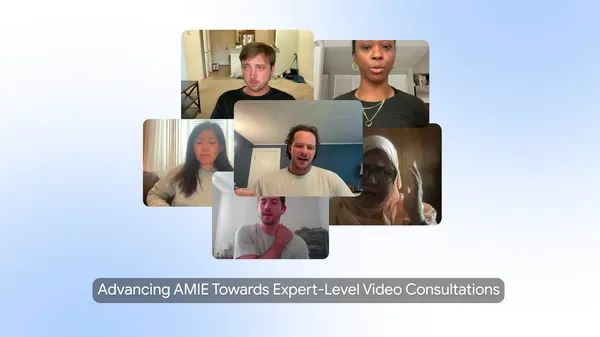
AMIE is a research medical AI system capable of real-time clinical video consultations, demonstrated in a first-of-its-kind study.
From Google AI blog
Research1 min read
Microsoft Research introduced CARE-X, a new approach to radiology VLMs using auxiliary supervision, reward-aligned learning, and tool-augmented measurement for chest X-ray interpretation. This system aims to create clinically useful models with calibrated predictions and flexible reasoning.
From Microsoft Research
LLMs1 min read
IBM Research has developed ALTK Evolve, a system that achieves comparable performance to models like ACE while utilizing significantly fewer tokens. This reduces operational costs and improves inference speed for agent-based applications.
From Hugging Face blog
AI1 min read
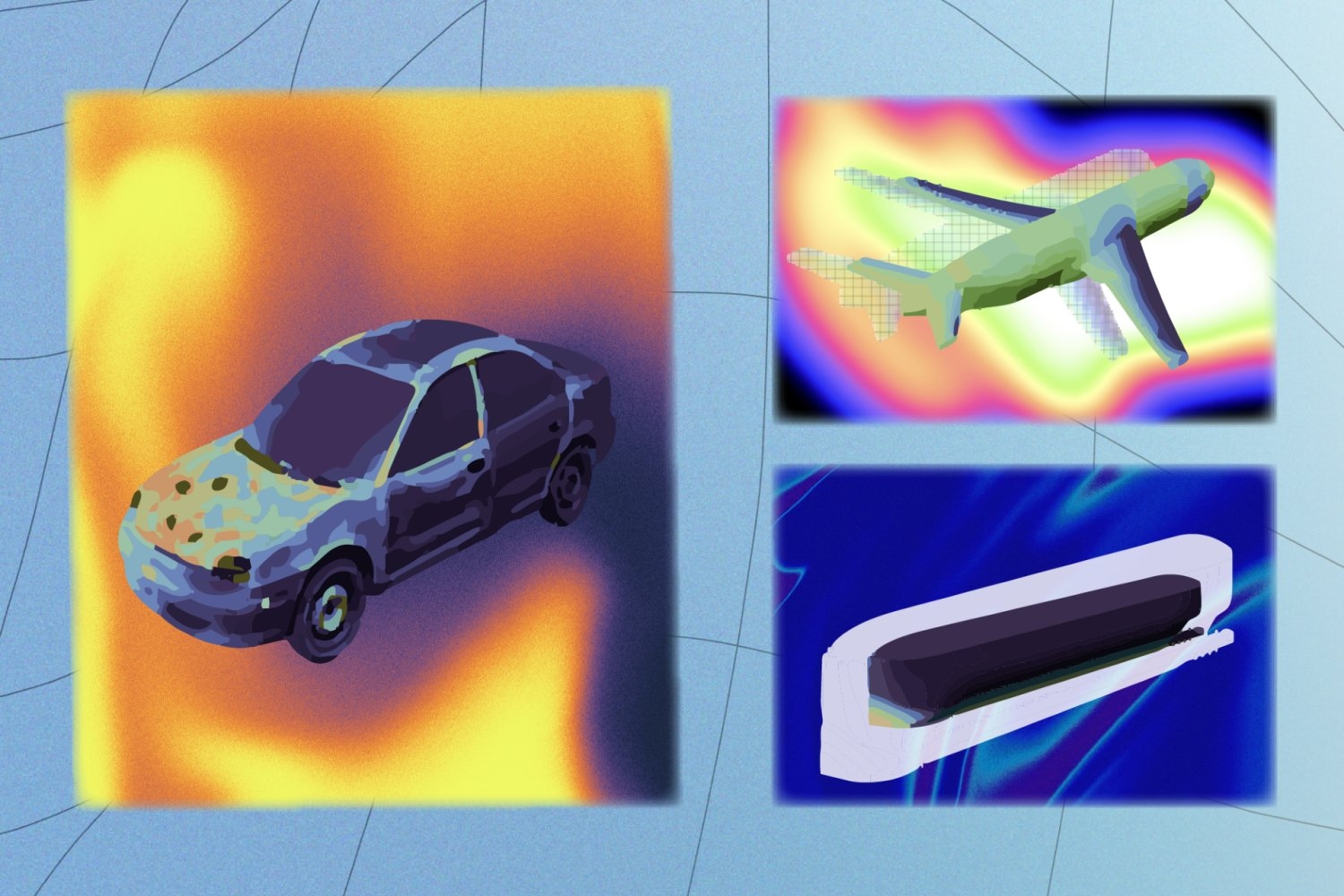
GeoPT enables AI models to better simulate responses to physical forces like wind and water, enhancing accuracy and efficiency in real-world scenario modeling.
From MIT News: artificial intelligence
Research1 min read
DeepMind announced WeatherNext, an AI model that advances cyclone forecasting capabilities, potentially aiding early warning systems.
From Google DeepMind blog
AI1 min read
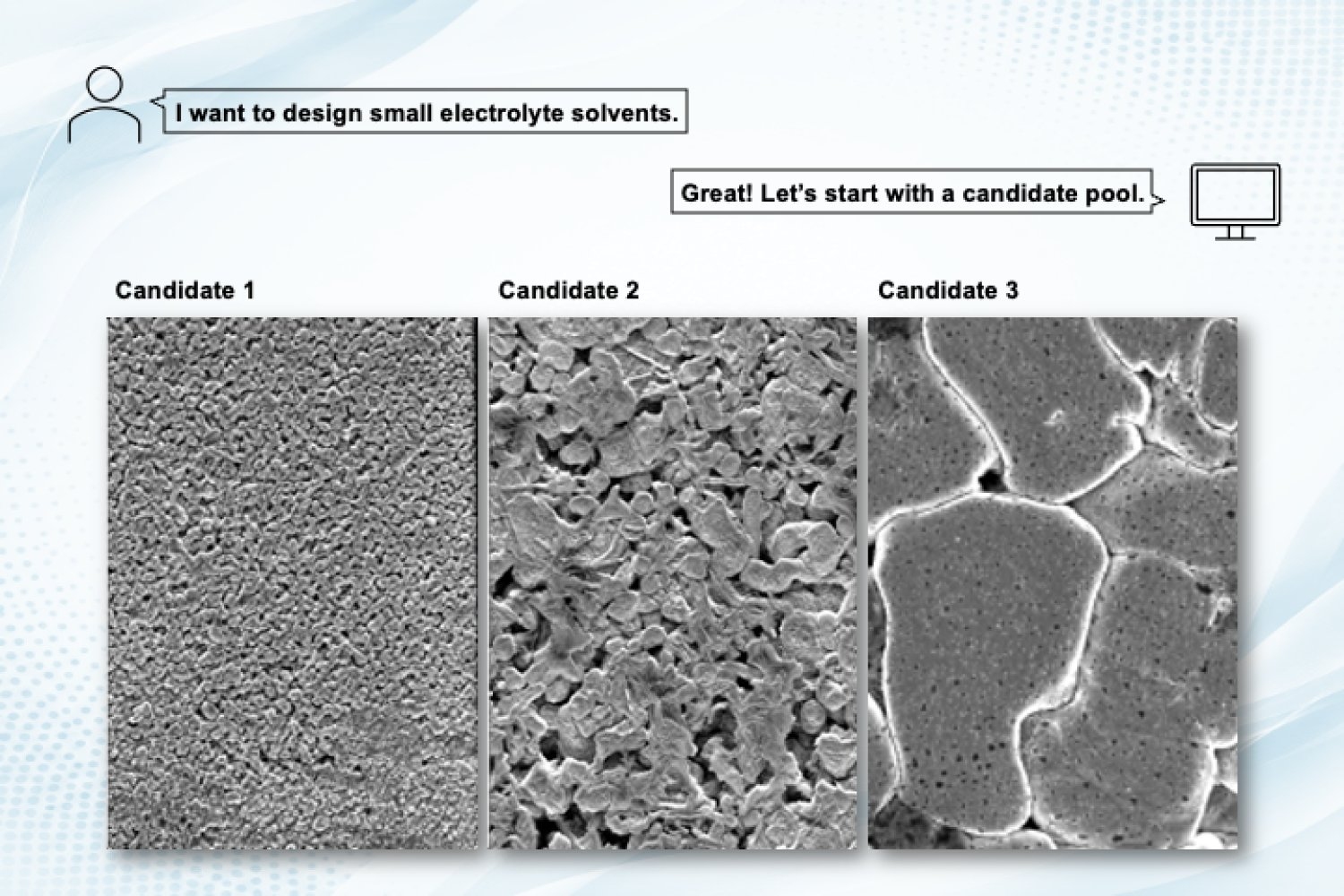
MIT researchers focus on electrolytes to enhance sodium-metal batteries, making them more practical for energy storage applications.
From MIT News: artificial intelligence
AI1 min read
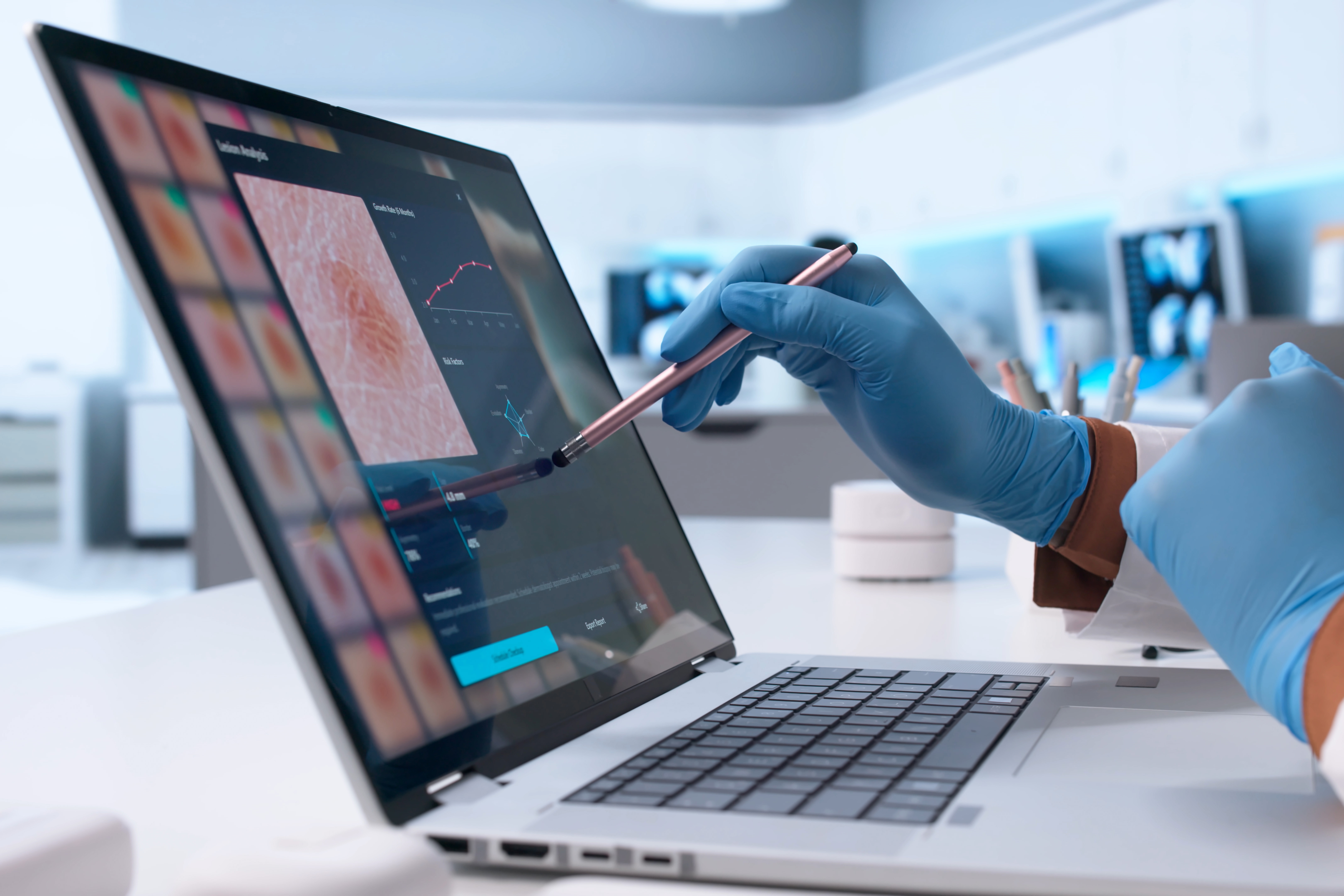
A study shows non-experts tend to rely on LLM-based diagnostic tools even when incorrect, while clinicians identify AI errors. This highlights differences in trust and error detection based on user experience.
From MIT News: artificial intelligence
AI1 min read
Alexander Rakhlin, an expert in machine learning, statistics, and computation, has been named director of the MIT Statistics and Data Science Center, succeeding Professor Ankur Moitra.
From MIT News: artificial intelligence
Research1 min read
Microsoft Research released Orchard, an open-source framework designed to simplify the training and evaluation of AI agents. This framework focuses on reducing complexity and enabling strong performance from smaller models, facilitating research in scalable agentic AI.
From Microsoft Research
AI1 min read
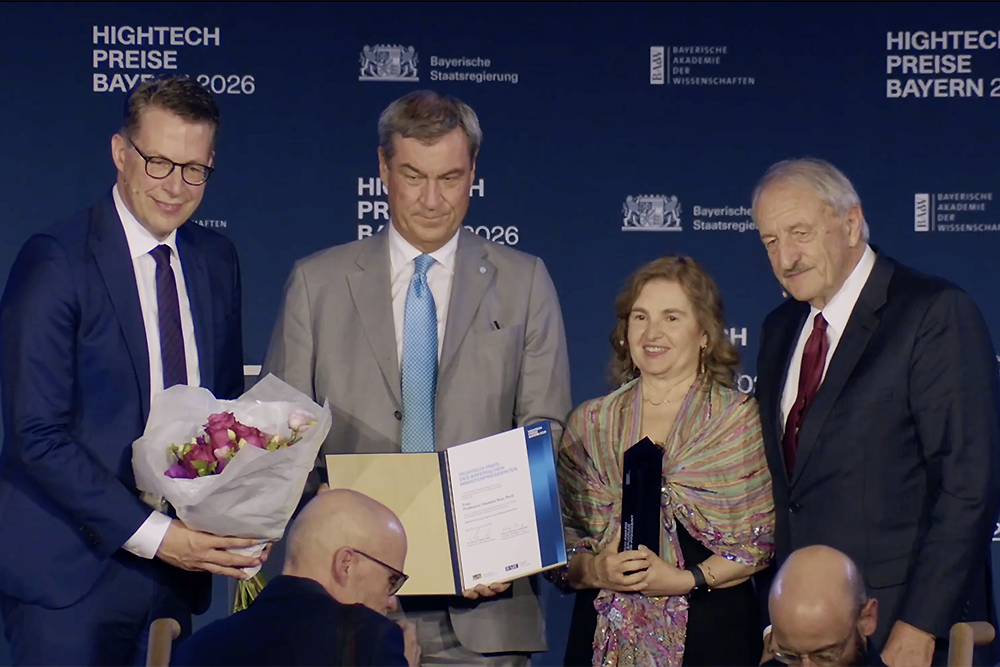
Daniela Rus, director of CSAIL and MIT professor, received the Bavarian Minister-President's High-Tech Prize for her contributions to robotics, AI, and autonomous systems.
From MIT News: artificial intelligence
AI1 min read
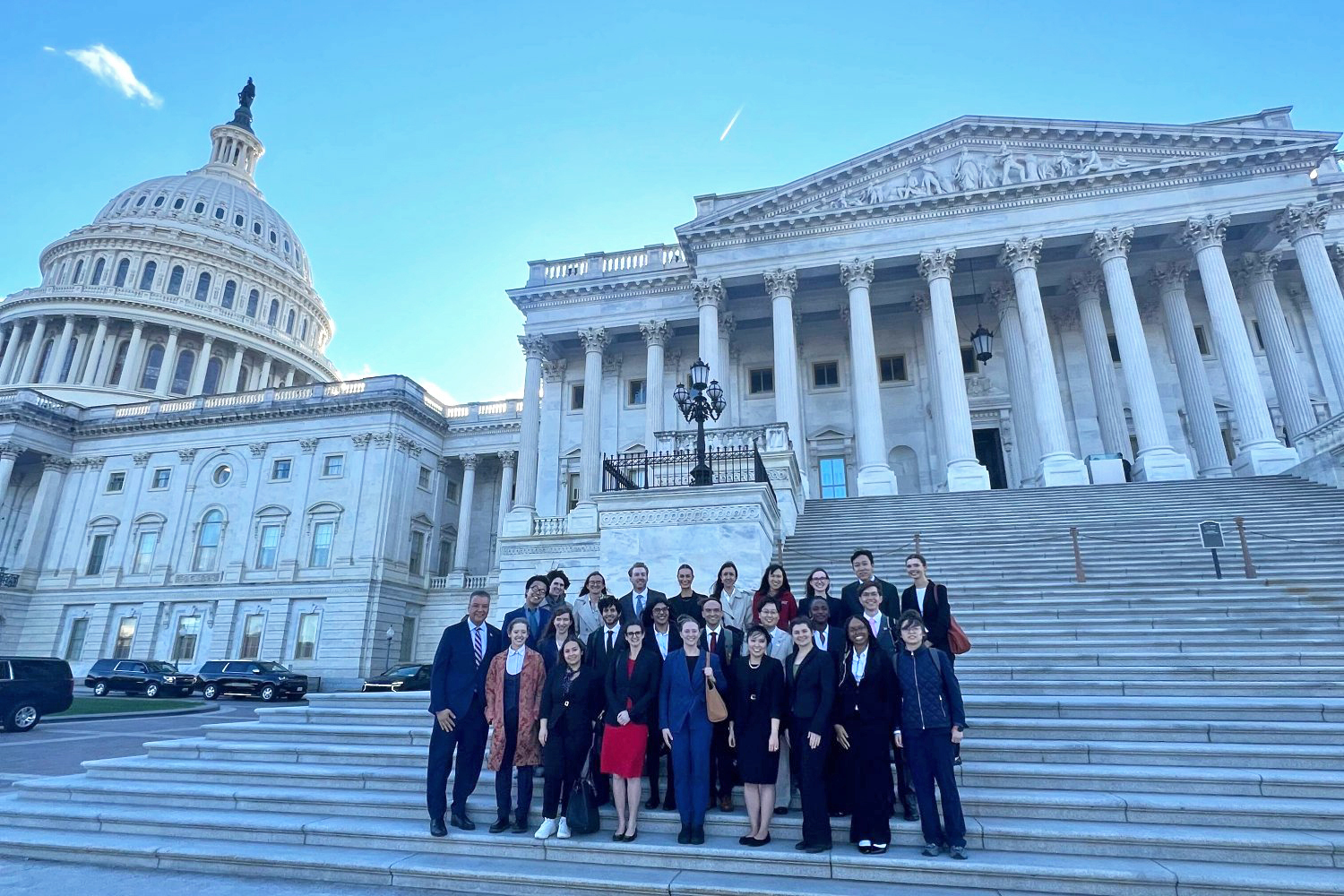
MIT students and postdocs discussed science funding and research with policymakers during the annual Congressional Visit Days in Washington.
From MIT News: artificial intelligence
Research1 min read
Microsoft Research introduced Echoverse, a system that trains computer-use AI agents in deep, evolving environments. This approach addresses agent struggles with multi-step workflows by providing realistic and dynamic training scenarios.
From Microsoft Research
Research1 min read
Microsoft Research introduced EvoLib, a system that transforms deployment experiences into evolving knowledge for LLMs. This allows models to adapt and learn across tasks long after initial deployment, improving performance and reducing the need for retraining.
From Microsoft Research
Research1 min read
Gemini Robotics ER 2 advances robotic reasoning, collaboration, and task solving through improvements in video understanding and tool orchestration.
From Google DeepMind blog
Research1 min read
Lyria 3.5 is now available in Google Flow Music, featuring enhancements in musicality, lyrics, vocals, and creative control, aimed at supporting music generation tasks.
From Google DeepMind blog
AI1 min read
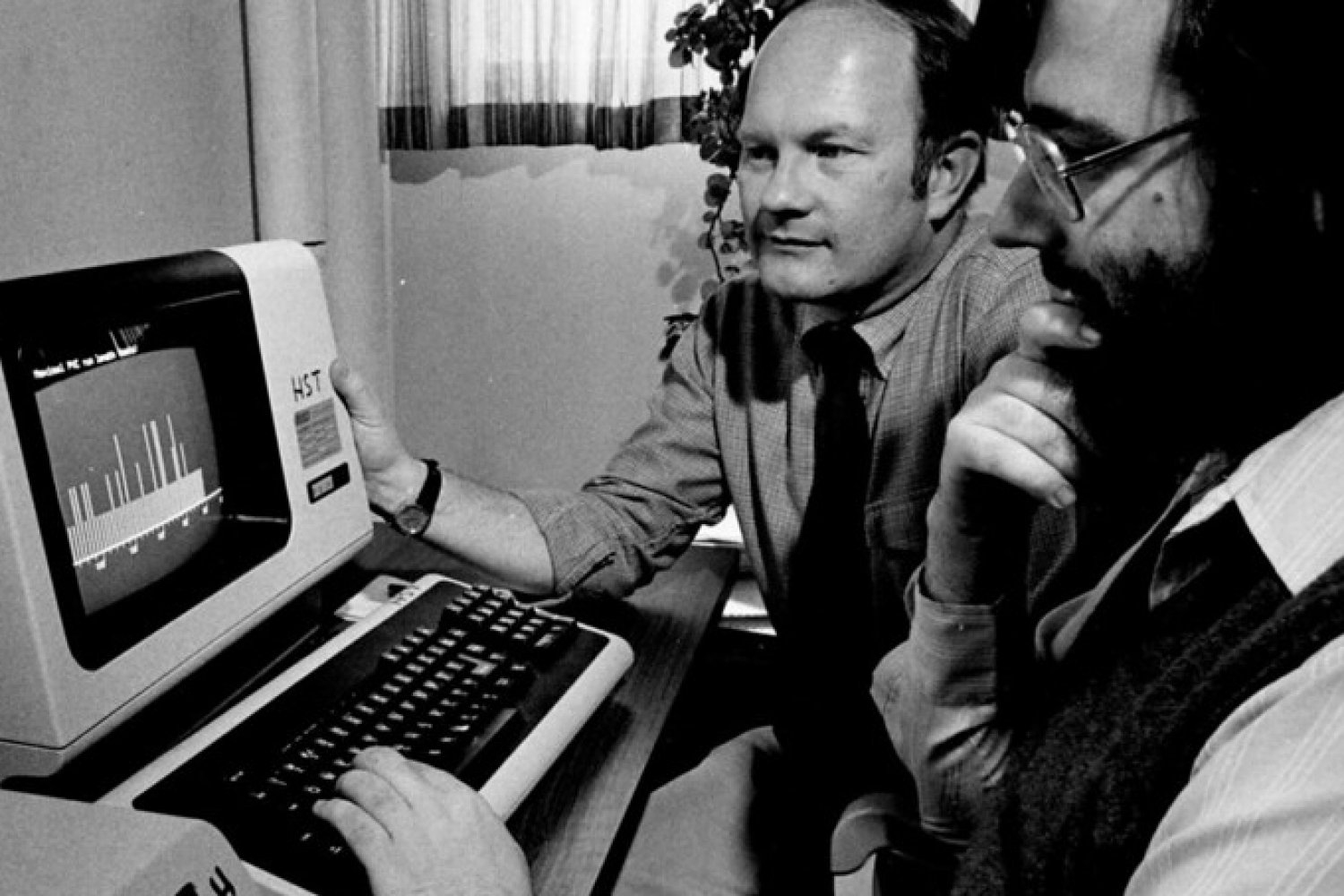
The MIT-developed PhysioNet platform, launched 25 years ago, has grown into a global standard for biomedical and clinical data sharing, revolutionizing how researchers and engineers access and utilize vast datasets.
From MIT News: artificial intelligence
Research1 min read
Google DeepMind blog published Gemini Robotics 2 brings whole body intelligence to robots.
From Google DeepMind blog
AI1 min read
Initial research projects advance national priorities across natural resources, manufacturing, nuclear physics, and more.
From MIT News: artificial intelligence
Posts are drafted from public feeds by models OpenSmartRoute routes to - the same router, skill and metering customers use - and always link to the original source. Corrections: support.
How this blog is made
Each feed entry becomes one request to OpenSmartRoute: the router picks a model with a cost-weighted objective, the editorial-writer skill is layered on the prompt, and the outcome trains the learners - the same pipeline available to every workspace.
Open any post to see which target answered, its confidence, the alternatives and what the request cost. Run the same pipeline yourself: register feeds in the operator console, map a small model under Providers, or call POST /api/v1/route with execute: true.