Hi - I answer from the OpenSmartRoute documentation: routing, the API, plans and quotas, self-hosting. Ask away, or open a support ticket if you need a person.
Grounded in the docs - follow a source before acting on it.
Amazon Alexa Plus sings lalala for minutes in a bug - OpenSmartRoute
Amazon Alexa Plus sings lalala for minutes in a bug
Some Amazon Echo speakers are stuck singing 'lalala' on repeat. The system does not know it is doing this.
Key points
A small number of Alexa Plus users face this bug.
Users report the issue on Reddit repeatedly over weeks.
Amazon states a fix is in works for affected devices.
Videos show speakers singing during user conversations.
Why it matters: A bug in smart home agents causes unexpected audio output that disrupts user interactions and reveals lack of self-monitoring.
By OpenSmartRoute editorial · written through the router by writer-small
From The Verge AI - “Amazon Alexa Plus keeps creepily singing ‘lalala’ for minutes on end”
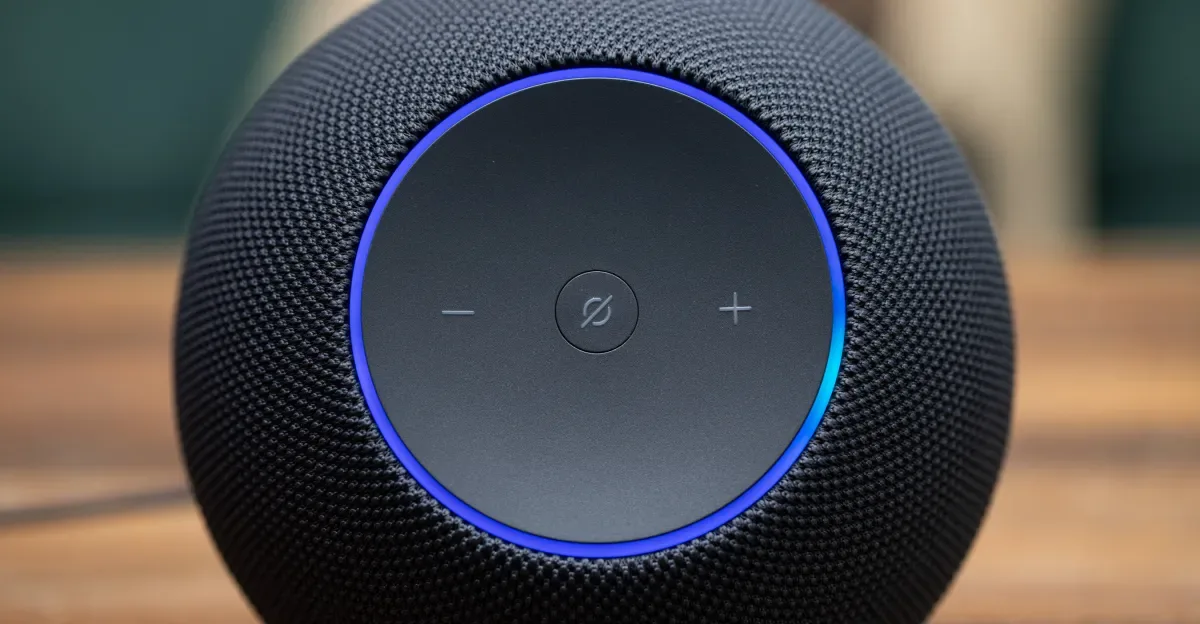
The Amazon Echo Studio with its front blue LED ring illuminated while sitting on a wooden coffee table.. Image: The Verge AI (original)
Amazon Alexa Plus keeps creepily singing 'lalala' for minutes in a bug
Some Amazon Echo speakers are stuck saying "lalala" on repeat. The system does not know it is doing this. Users hear the sound during normal conversations. It happens for several minutes at a time. The noise interrupts what people want to say. Some users describe the sound as creepy. They feel uncomfortable hearing it in their homes.
This bug affects multiple types of Echo speakers. Reports come from different regions and devices. People on Reddit discuss the issue repeatedly. New posts appear even just three days ago. The problem started a few weeks ago. It has not stopped spreading yet. Many users have tried to fix it themselves. Nothing seems to work for them.
The strange behavior affects multiple Echo speaker types
The Amazon Echo Studio is one of the affected devices. It runs the Alexa Plus system on top. Other Echo speakers might also be broken. The list of models is not complete yet. Users cannot see a full report online. Some devices sound worse than others. The "lalala" pattern repeats in a loop. It does not stop until someone turns off the device.
Users share videos showing the repeating 'lalala' pattern
Multiple users have uploaded videos to YouTube. One video comes from Android Authority. The clip shows the speaker saying "lalala" over and over. The audio is clear enough to hear the repetition. People watch these clips on social media feeds. They share them with friends who own Echo devices. The videos prove the bug is real. They show it happens in real time.
Amazon acknowledges the issue and promises a fix
Amazon told Android Authority about the problem. It confirmed the issue affects "a small number" of users. The company stated it is a known bug. A fix is currently in the works. Amazon has not given a specific date yet. They will release an update soon. Users need to wait for this patch. Until then, they cannot use the feature normally.
Why it matters
Users lose trust when their smart home devices act strangely. Privacy concerns rise because the system talks without permission. People worry about data leaks during these loops. The bug shows how AI can fail silently. It replaces normal conversation with repetitive noise. Engineers need to find where the code breaks. Managers must decide if they should buy more Echo speakers.
Daron Acemoglu says AI adds just 1.5 percent to global GDP over ten years. He believes human adaptation limits productivity gains more than model size.
OpenAI plans to dump hundreds of AI-solved math problems on GitHub without publishing papers. Mathematicians want formal verification and proper credit before accepting the results.
What to do
Check your Echo speaker for the "lalala" sound. Listen carefully during quiet moments in your house. Try asking Alexa a simple question like "what time is it." If she sings instead, stop the device immediately. Turn off power or unplug the unit from the wall. Wait for Amazon to release the software update. Do not ignore the warning signs. Compare this bug with other recent AI failures. Look at how other companies handle similar errors.
The background of Alexa Plus helps explain the situation. Alexa Plus is a newer version of the voice assistant. It adds features like music generation and creative tasks. Users expect it to follow commands precisely. The "lalala" sound comes from an internal audio file. This file plays when the system fails to process input correctly. It acts as a placeholder for missing data. The system does not recognize the error state.
The bug likely happens during complex audio processing. When the model tries to generate long responses, it might glitch. The glitch triggers the playback of the lalala track. This behavior is similar to other AI generation errors. It shows that even large models can make mistakes. These mistakes happen without human supervision. Users often do not see the code running behind the scenes.
The impact on smart home ecosystems is significant. Echo speakers are central hubs for many households. They control lights, thermostats, and security cameras. A bug in the voice interface disrupts this control. Users cannot rely on their devices to be safe. The lalala loop might happen while they are asleep. This creates a risk of waking them up suddenly.
Engineers at Amazon must investigate the root cause. They need to look at the audio generation pipeline. They should check how the system handles unknown inputs. The fix will require changes to the model or its logic. It might involve better error detection mechanisms. Or it could mean stopping certain types of generation tasks.
For now, users should treat their Echo speakers with caution. Do not leave them on while you are away from home. Turn them off when you go to sleep. This reduces the chance of hearing the creepy sound. It also prevents potential data collection during these loops. Amazon has promised a fix soon. Users will need to update their devices manually or automatically.
The broader context of AI development matters here. Companies race to build better models faster. They often skip thorough testing for every single edge case. This bug is a reminder that testing is hard. It takes time to find all possible failure modes. The lalala loop is just one example of this risk.
Users who run their own models face similar challenges. If you host an AI system, you must monitor it closely. Look for any unexpected audio or text outputs. Set up alerts to notify you of strange behavior. This helps catch bugs before they affect many people. It saves companies from having to issue public apologies later.
The cost of ignoring this bug could be high. Amazon might face lawsuits if the sound causes harm. They could lose customers who feel betrayed by the glitch. Reputation takes time to rebuild after a major failure. Users expect their tech to work reliably every day. A simple lalala loop breaks that trust quickly.
Managers buying smart home devices should check for recent updates. Look at the changelog for any known issues. Ask vendors about their quality assurance processes before you buy. Do not assume a product is safe just because it works most of the time. Test it yourself with different commands and scenarios. See if it behaves consistently under stress.
The future of voice assistants depends on fixing these kinds of bugs. Better models need better testing frameworks. Humans must help validate AI outputs more often. Automated checks cannot catch every single weird pattern like lalala. People need to stay alert for signs of malfunction. They should report strange behavior to the companies immediately.
In conclusion, the Amazon Alexa Plus bug is a real problem. It affects multiple Echo speakers and causes annoying noise. Users are waiting for an official fix from Amazon. Until then, they must take steps to protect their privacy. They should turn off devices when not in use. This simple action reduces the risk of exposure.
The lesson here applies to all AI systems today. No model is perfect yet. Every system has edge cases that can break things. Users need to be vigilant about how these tools behave. Companies must prioritize safety and reliability over speed. The lalala loop is a small symptom of a larger issue. We are still learning how to build safe AI.
Amazon Alexa Plus sings lalala for minutes in a bug
Amazon Echo speakers are making strange noises. They repeat the word "lalala" for long periods. This happens during normal conversations with users. The device plays this sound on its own. It does not stop until someone turns it off. Users hear this while talking to their assistants. The noise interrupts important discussions and calls. Some people find the sound very unsettling. It creates an uncomfortable atmosphere in homes. The pattern repeats in a loop without end. No one knows exactly how long it lasts. Videos show the audio playing for minutes.
The bug affects specific hardware models. Amazon Echo Studio is one of them. Other Echo speakers might also run this code. These devices use the Alexa Plus software. The system runs voice commands and answers questions. It processes speech from microphones in the room. When the glitch triggers, it ignores user input. Instead, it outputs the lalala sound repeatedly. The device continues this behavior automatically. Users cannot stop it with normal commands. They must power down the hardware physically.
Users share videos showing the repeating 'lalala' pattern
Social media platforms host many of these clips. People upload footage to YouTube and other sites. These videos prove the glitch is real. They show the audio looping clearly over time. Viewers watch the strange behavior unfold on screen. Comments discuss how annoying or scary it feels. Some users report hearing it in their own homes. Others see it only in the uploaded recordings. The community tracks reports across different devices. Reddit threads contain detailed descriptions of the issue. Users describe the exact timing of the sound. They note when it starts and stops.
Amazon acknowledges the issue and promises a fix
Amazon confirmed this problem to tech news outlets. A company statement addressed the specific behavior. They called it a bug affecting a small number of users. The official response mentioned that a fix is in works. Engineers are working on resolving the software defect. Amazon did not specify an exact release date. Users must wait for an update to arrive. The company expects to deploy the patch soon. This will require a system update on all devices.
Why it matters
Safety and reliability matter when people use smart home tech. Trust in AI systems depends on consistent behavior. A glitch like this breaks that trust quickly. Users expect their devices to work reliably every day. Unexpected noise can cause stress or distraction. It disrupts the natural flow of conversation. Companies must prioritize safety over speed in development. Testing failures reveal gaps in quality assurance. Ignoring such bugs risks legal liability and reputation loss. Customers demand transparency when technology fails them.
The strange behavior affects multiple Echo speaker types
Multiple types of Echo speakers run this code. Amazon Echo Studio is the most prominent example. Other models likely share similar software architecture. The bug appears across different hardware generations. It is not limited to a single year of release. Users with older devices might also be affected. Newer models could face the same issue later. The problem lies in the software, not just hardware. Different speakers use the same Alexa Plus system. This means one fix should solve it for all.
Users share videos showing the repeating 'lalala' pattern
Videos provide visual proof of the audio glitch. They capture the sound looping in real time. Viewers can hear the repetition clearly on their phones. The footage shows the device ignoring user commands. It plays the lalala sound regardless of input. These clips spread quickly through social media channels. People share them to warn others about the bug. Social proof helps build awareness among the public. More users will likely report similar experiences soon.
Amazon acknowledges the issue and promises a fix
Amazon's statement confirms they know about the problem. They admit it affects a small number of users. The company promised a fix is in works. This indicates active development of a solution. Engineers are debugging the code causing the loop. They need to find where the logic fails. A software patch will likely stop the audio output. Users should monitor their devices for updates. Amazon will push notifications when the fix arrives.
Why it matters
Trust and reliability define how people use AI tools. Smart speakers handle private conversations in homes. Unexpected behavior violates expectations of control. Users feel betrayed when technology acts unpredictably. This glitch breaks the social contract of voice assistants. Companies must build systems that behave safely. Safety includes avoiding unexpected audio or text outputs. Testing frameworks need to catch these edge cases early. Speed of deployment should never override safety checks.
Companies face risks if they ignore such bugs. Legal teams worry about potential lawsuits from harm. Customers might feel unsafe in their own homes. Reputation takes time to rebuild after a major failure. One bad event can damage years of brand building. Users expect their tech to work reliably every day. A simple lalala loop breaks that trust quickly.
What to do
Users should check for software updates immediately. Look at the changelog for any known issues. Ask vendors about their quality assurance processes before you buy. Do not assume a product is safe just because it works most of the time. Test it yourself with different commands and scenarios. See if it behaves consistently under stress.
Turn off devices when not in use. This simple action reduces the risk of exposure. It stops the audio from playing while unattended. Users can protect their privacy easily at home. Powering down prevents accidental activation by glitches. Keep a list of all your smart home devices. Monitor them for any strange behavior patterns. Report issues to companies immediately when you find them.
Better models need better testing frameworks today. Humans must help validate AI outputs more often. Automated checks cannot catch every single weird pattern like lalala. People need to stay alert for signs of malfunction. They should report strange behavior to the companies immediately. Vigilance helps improve safety across all AI systems.
The future depends on fixing these kinds of bugs soon. Better testing prevents similar issues in the future. Engineers must learn from every failure they encounter. Companies need to invest more in quality assurance. Speed of release should not compromise system stability. We are still learning how to build safe AI. Every glitch teaches us something about safety.
Mirror Particle raises capital to create an AI engine that simulates changing human motivations. The company rejects large language models in favor of a foundation model trained on longitudinal data.